With many of us staying close to home during these changing times, many people are choosing to spend more time outdoors participating in activities like walking or bike riding. However, these activities unfortunately can come with a price if we aren’t properly prepared. And while Louisianans love their spices, a summer burn can cause lasting effects, and it’s not the heat any of us like. Since the sun can cause serious damage below the skin’s surface, it’s important for us to be mindful about how much time we’re spending in the sun in addition to ensuring we use sunscreen at all times. In Louisiana, over 1,000 new cases of melanoma will be diagnosed this year, according to the American Cancer Society.
Skin cancer, the most common form of cancer in the United States, is most commonly caused from exposure to ultraviolet (UV) radiation. We can change our risks for cancer with personal habits, choices and knowing the risk UV exposure can bring.
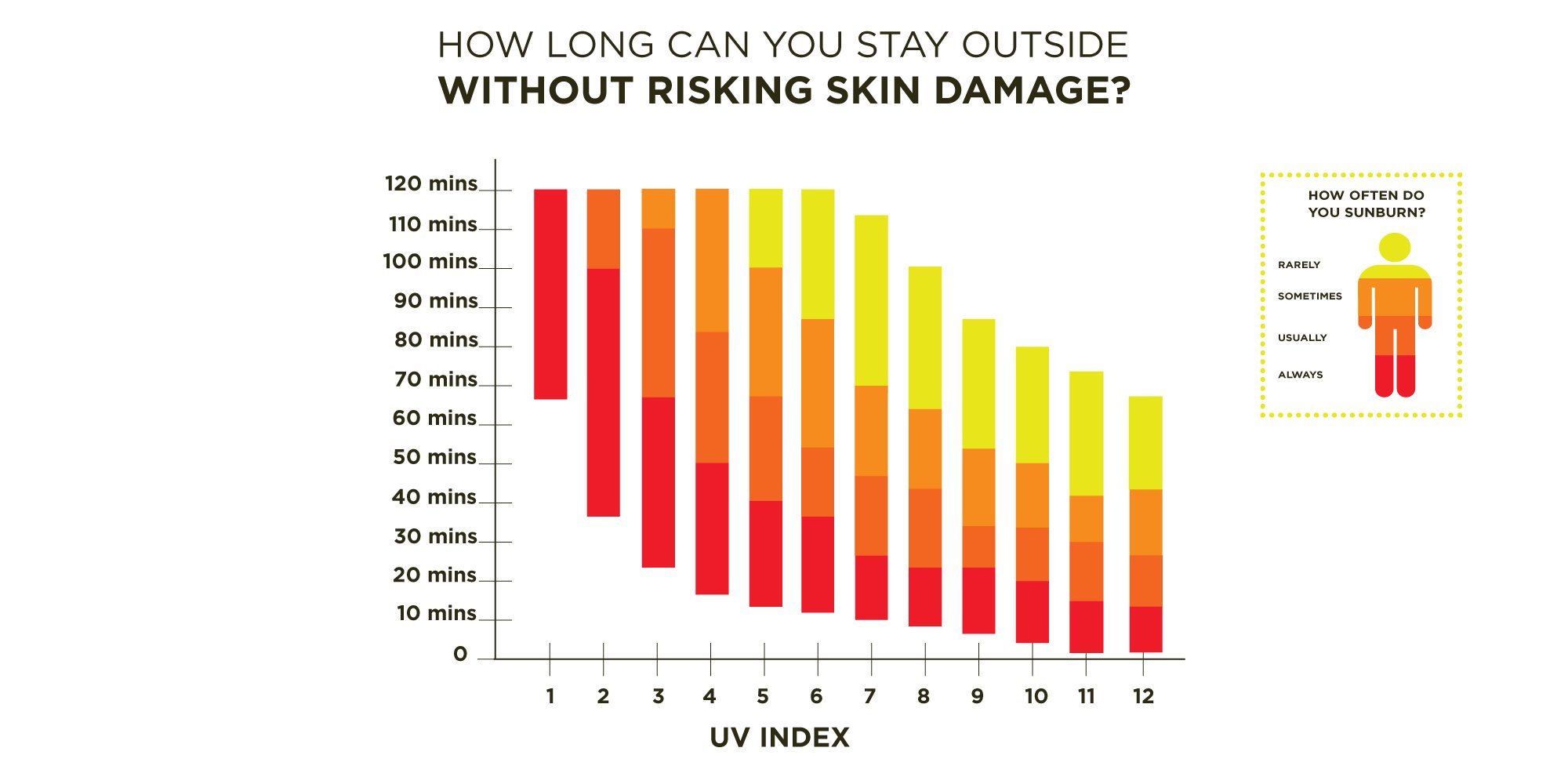
The UV Index (UVI) measures the level of skin-damaging ultraviolet radiation we are exposed to. Because the levels of UV radiation and the index values can vary throughout the day, a given day’s UV level is determined by the maximum UV level that may occur. UV values can range from 0 (low) to 11 (high). Higher UVIs indicate a greater potential for the sun to damage the skin and eyes in a short amount of time.
The UV Index is an important tool that raises public awareness of the risks of excessive UV exposure, and emphasizes the need for protective measures like seeking shade, always using sunscreen, wearing sunglasses and taking advantage of protective clothing.
Checking the UV Index each day and following the recommended safety guidelines is a great way to enjoy the sun safely. Use the tool below like a weather forecast – let it help you plan your day and make choices to protect yourself from the sun’s potential dangers.